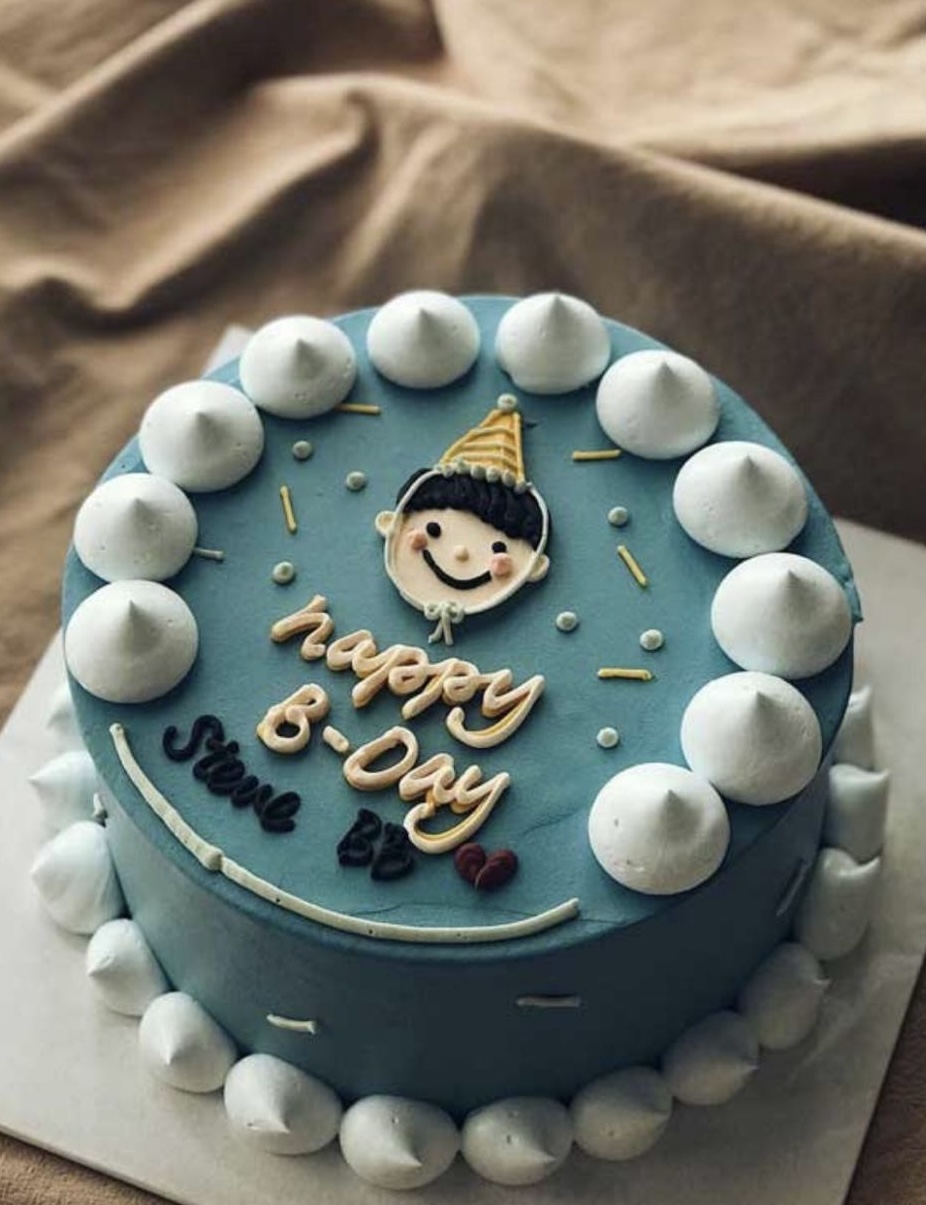
With kids, it’s always birthday season. Receiving that first invitation soon after arriving in Spain feels like a milestone — the little one is being included in the local social circle, and parents finally get a chance to properly meet those faces they’ve been nodding at during the morning and afternoon school run. What nobody mentions is that the party is going to be a little different from what you’re used to.
The venue
If you have a child in Valencia, you will become intimately familiar with the ball park. Not as an occasional treat — but as the most common setting for birthdays from age three onwards. These are the indoor play centres with foam pits, climbing frames, and a level of ambient noise that makes conversation technically possible but spiritually challenging. Spanish parents love them for an obvious reason: the children disappear into the structure and, in theory, supervise themselves. In practice, someone always cries.
You are also invited
Here is what no one tells you before your first Spanish birthday party: you are not dropping your child off. You are attending. The birthday family is hosting two events simultaneously — a children’s party in the ball park and an adult gathering around a table of pintxos, sandwiches, croquetas, and beer. This is not optional. Showing up, staying, and eating is the social contract. If you were expecting a free Saturday afternoon, recalibrate.
The whole class comes — for a while
In the early years, the invitation list is the class list. Leaving anyone out is socially loaded in a way that most international parents find surprising — there is a strong norm around inclusion that makes selective guest lists feel like a statement. So you invite everyone, you cater for everyone, and you find a ball park large enough to contain them. This has a natural expiry date. Somewhere around the sixth or seventh birthday — and nobody announces this, you simply notice it — the whole-class party quietly disappears. By primary school it is close friends only, and everyone is quietly relieved.
The present opening
In many cultures, gifts are set aside and opened later, privately. Not here. At a Spanish birthday party, every present is opened in front of the room. The birthday child works through the pile one by one while the other children watch — eyes wide, tracking every new toy with the focused intensity of small predators — as their specific gift is unwrapped and received in real time. If your child has never been coached on how to react to a gift they don’t like, now is the time.
La bolsita
Every child who attends leaves with a small bag of treats — sweets, a small toy, something. This is not a nice touch. It is an expectation. The bolsita is its own subculture, with strong opinions on contents, presentation, and value. Get it wrong and you will know, because children are honest and their parents are standing right there.
If this is the stage you’re at right now, I can tell you from the future that it gets better — or at least different, which in this case amounts to the same thing. As kids get older the circle grows smaller, the venues get more interesting, the experiences more personal, and the budget — hopefully — a little more manageable. The headache doesn’t disappear entirely, but it starts to feel more worth it.