In Praise of Cafe Normal
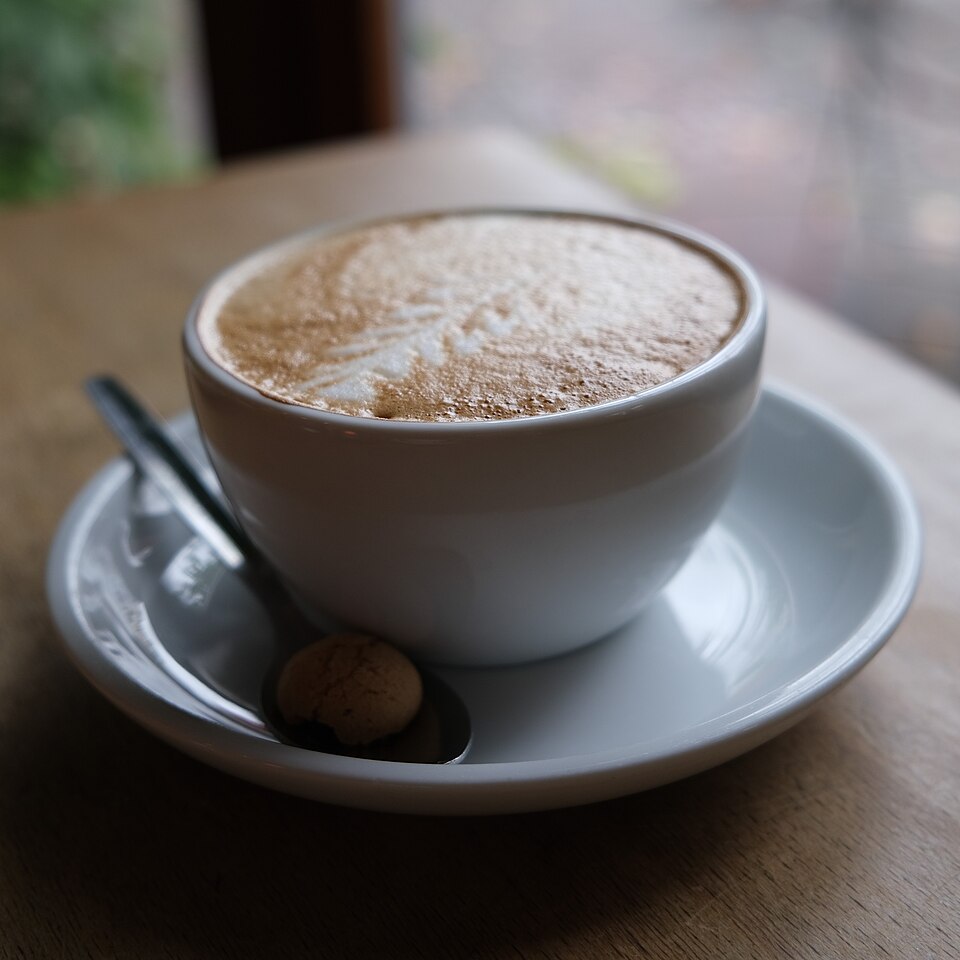
Barista coffee changed the landscape of coffee consumption in Spain. One of those many changes brought after Covid and the big waves of international residents that took over the city. They knew coffee came in a tall white cup, and you could have almost endless combinations of the brew tailored to a specific rainbow combination of your unique personality.
But before oat milk was even considered milk, and you’ve got to give it to Spanish people — for a slow, bureaucratic, traditional country — they gave in really fast to list it on the milk board — we were drinking coffee. Heck, we’ve been drinking coffee since we brought it in the first carabela from the Americas.
But coffee was nothing fancy to be Instagrammed with. It was just a functional life-saving beverage. It came in a glass or your regular bar coffee mug, that many times was sponsored by a brand such as Marcilla or Café Valiente, and it would have their logo proudly stamped on the front of the cup. And you knew, you were drinking the good stuff.
Yeah, we did have Starbucks but only in high-nose places like Madrid or Barcelona, to ensure the tourists we were civilised enough, and for the high-nose people alike who liked to ensure the rest of the common mortals they knew some secret to doing life that only they were privy to.
Currently, that humble cup of coffee belongs to an older generation, who would rather have tea — this is a great offense, Spanish people don’t drink tea — than pay 3 euros for coffee in a paper cup. And to the workers on their break, because it is stated in the union agreements as a lawful right.
That’s why I wanted to write today an In Memoriam rather than a praise for the coffees of the past that fewer and fewer people order now
Order These Spanish bar coffees
Café solo — The base of everything. A short, strong espresso served in a small glass. No fuss, no milk. What you order when you mean business.
Cortado — Equal parts espresso and warm milk, just enough to cut the bitterness without diluting the coffee. The name comes from cortar — to cut.
Café con leche — The classic morning coffee. Half espresso, half hot milk, usually served in a tall glass or wide cup. The one most Spaniards grew up with.
Bombón — Espresso poured over sweetened condensed milk, served in a small glass so you can see the layers. Born in Valencia, as it happens.
Carajillo — Coffee with a shot of brandy, rum, or whisky. The working man’s pick-me-up, with a long history behind it.
Café del tiempo — A Valencian specialty: espresso served over ice with a slice of orange. Refreshing, slightly bitter, quietly brilliant.
Café manchado — Mostly warm milk with just a splash of coffee to “stain” it (manchar = to stain). The gentler, milkier cousin of the cortado. Popular with those who want the ritual without the kick.
Leche manchada — The inverse: a full glass of milk with barely a whisper of coffee. Often ordered for children or people avoiding caffeine.
Americano — Hot water added to an espresso to stretch it out. Spaniards adopted it but never fully trusted it. Still seen as a foreign compromise.
Café irlandés — The Spanish take on Irish coffee. Hot coffee, whisky, and whipped cream. More of a bar order than a café staple.
Descafeinado de máquina — Decaf pulled from the espresso machine, as opposed to descafeinado de sobre (instant decaf from a sachet). Regulars always specify which they want — and look down on the sachet.
Use this list with confidence, walk into an old-fashioned bar and say: Un irlandés, cuando puedas, por favor. And feel proud of yourself, because every time you order un café normal, a matcha soy milk drink screams in horror from its stacked shelf.
And that’s a gol for Spain.