Fallas in Valencia: The Measurable Impact of a City-Wide Celebration
I have to confess that now that Fallas is over, the impact of Fallas in Valencia leaves a certain unsettling feeling in the city. On Friday, I walked down Ruzafa expecting loud music, blocked streets and petardos exploding at my feet. But there was none of it.
By midday, the city was already slipping back into normality. The festival lighting still hung from the poles, looking grey and oddly outdated in the daylight, while entire crews carefully unscrewed the joints of the large carpas that had, only days before, taken possession of so many streets. The pavement had a fresh, wet shine after repeated passes from the cleaning trucks, as if the city itself tried to reset.
“It’s finally over, thank God,” I overheard one neighbour say to another as they greeted each other outside Mercadona.
It was also one of the first things my doctor — a fellow Monteolivete resident — said as I walked into her practice.
“Had an easy ride today, no?”
“Yes,” I replied, “like on a Sunday.”
“Thank God, no more Fallas.”
“Yes, thank God,” I answered, showing sympathy for a cause I had, by then, already stopped resenting.
The Morning After Fallas
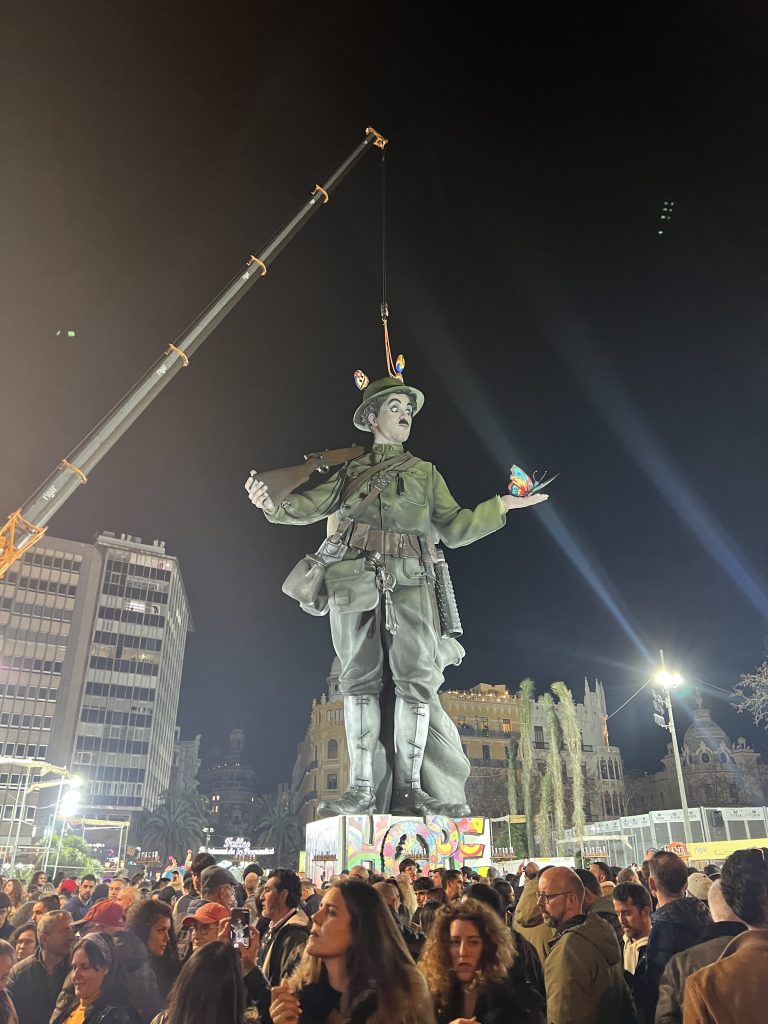
There is a common saying among locals: “Fallas is for falleros” (las Fallas son para los falleros). It reflects a widely accepted truth in the city: if you belong to a falla, you live for this month all year long. But if you are simply a neighbour, Fallas can sometimes feel like one of Dante’s circles of hell, on loop until the last ember fades until the last ember of the burning ninots finally fades.
While Fallas is recognised by UNESCO as an Intangible Cultural Heritage, celebrated for its emotional intensity and striking aesthetic beauty, it also carries a more complicated side.
However, the numbers tell their own story. Between 1 and 19 March 2026, the city collected close to 8,000 tonnes of waste, activating a special cleaning operation costing more than €3.2 million. During those weeks, municipal inspectors supervised more than 165 falla sites, and several commissions were sanctioned for failing to properly clean their designated areas or for misusing ash containers.
At street level, the pressures are just as visible. Authorities issued fines for public urination, misuse of fireworks, and alcohol consumption in public spaces, with penalties up to €3,000 for uncivic behaviour.
Large crowds also require safety measures that subtly remind residents of the risks behind the celebration. More than 2.000 people were assisted at the city’s Puntos Violeta, safe spaces dedicated to preventing harassment and sexual violence during the festivities.
And then there is the sound. Mascletàs can reach 120 decibels, a level comparable to a jet engine, reorganising daily life around noise and vibration for almost three weeks.
An Official Celebration of Excess — and Why It Endures
When you look at it that way, it is hard to deny a sense of institutionalised bacchanalia — all in the interest of a brief but intense economic boost.
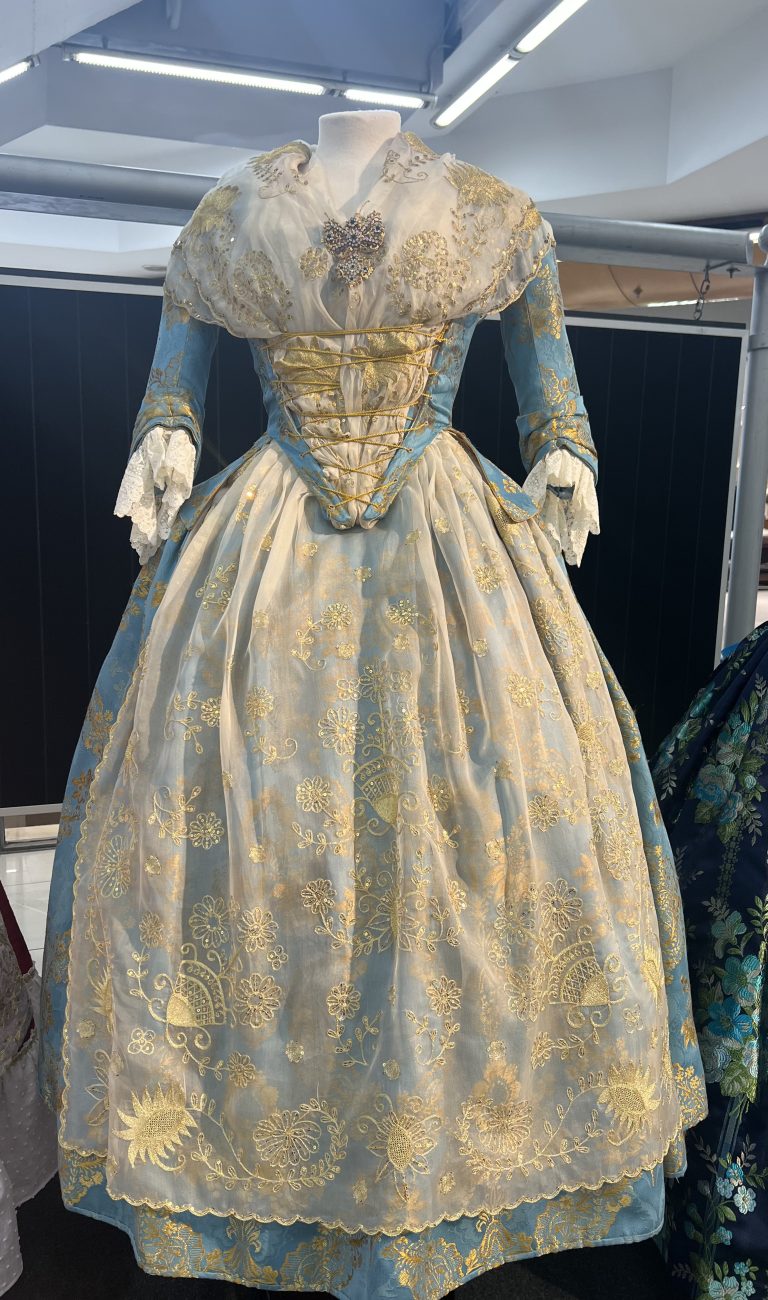
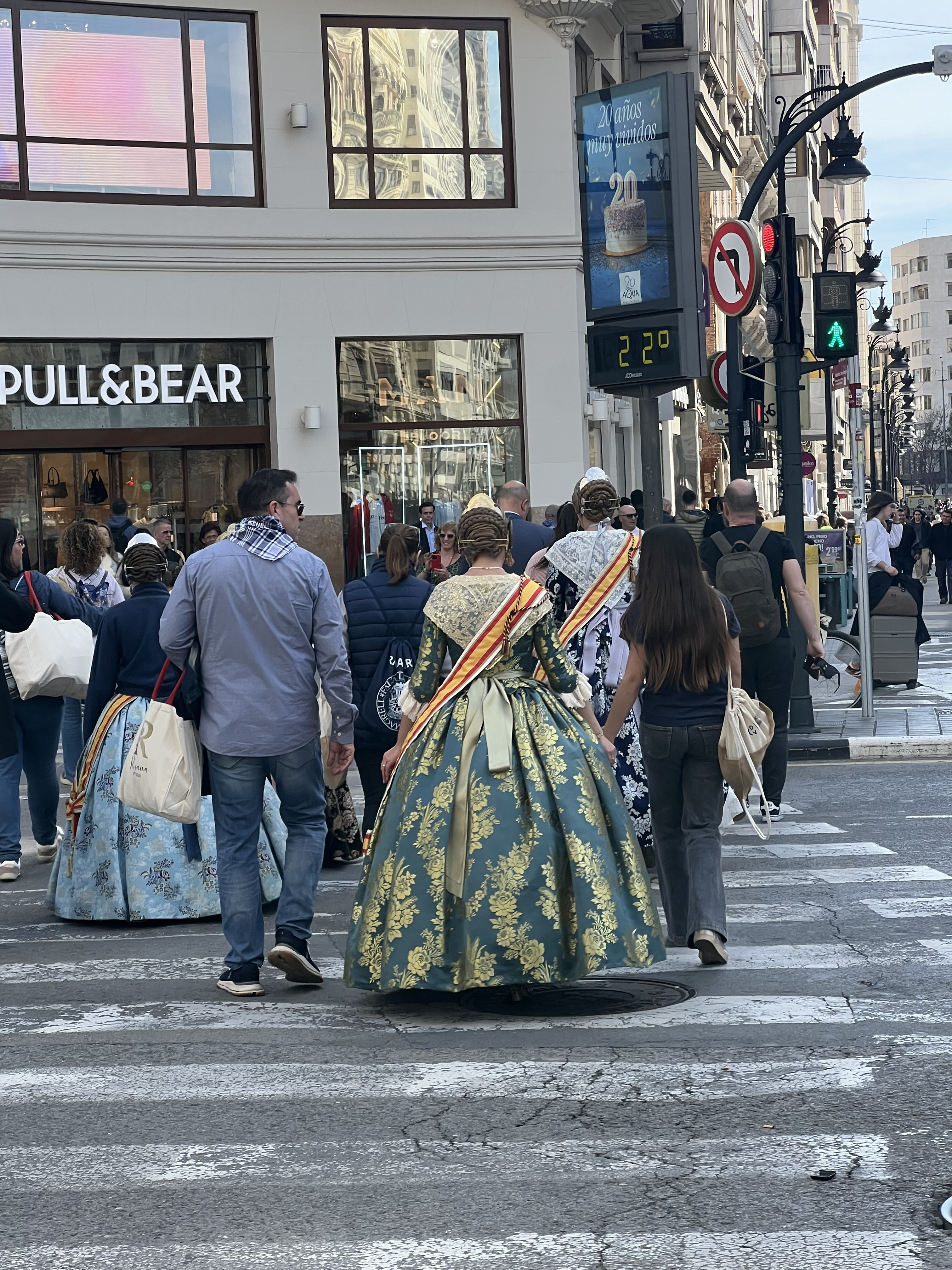
And yet, I prefer to close this time of year differently. I choose to remember the look of excitement in the eyes of the fallera I spoke with for last Sunday’s piece; the image of a colleague crafting an oversized banner on the office floor during her lunch break, destined for her falla; the sight of beautifully dressed couples in traditional fallero attire posing for photos around the city; or my children’s first eaten on the street after a patient thirty-minute queue.
Thank God Fallas is over… until next year.