The Most Expensive Tradition We Love: A Story of Hope, Numbers, and Christmas in Spain
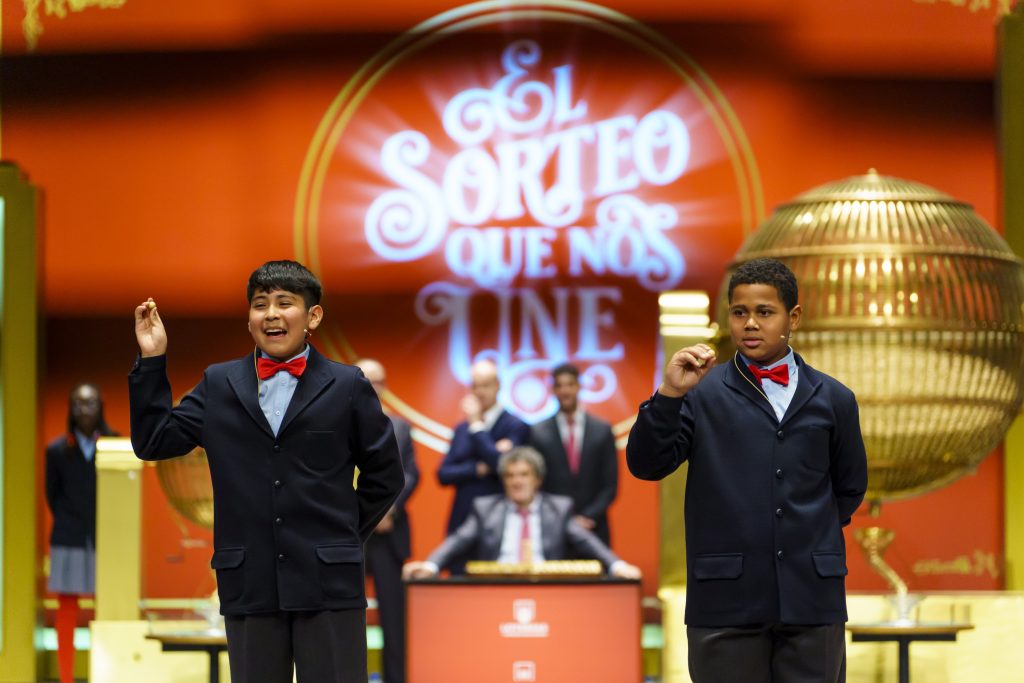
The 22nd: the first official day of Christmas.
This is something you can count on if you ever need to know when Christmas truly begins in Spain. The kids will be out of school for sure—the Friday before if the 22nd falls on a Monday, or the day before if it’s midweek. The variation is minimal.
So, what are we celebrating?
Hope.
The hope that on this very day, our lives might suddenly change and we’ll become millionaires. Or, if not, that we’ll at least have just enough to make the upcoming year a good one—for ourselves and for those we love. Or maybe simply enough for a small shopping spree before the holiday ends.
El sorteo de la Lotería de Navidad. Every Spaniard’s dream: to be the lucky one.
You can buy a ticket at a regular lottery booth, but also in restaurants, bars, and small neighborhood businesses. Every Spanish household will have at least one ticket—often more. On the 22nd, a live event takes place at Teatro Real in Madrid. Entrance is free, but it fills up within minutes with both the public and the press.
But how much money are we talking about?
€4,000,000 per serie (and there are 198 series) for the biggest prize, known as El Gordo. That’s why the more tickets you have, the more chances you have—not just to win, but to win big. Of course, you can also count on Hacienda taking its share (20% above €40,000), but for many, it’s still very much worth it.
That morning, the whole country wakes up and turns on the TV to see if luck has arrived. It’s a slow ritual that lasts almost until lunchtime. Not only because there are many prizes, but because every number drawn from the tómbola is sung—yes, sung. Each number is announced in a very specific melody every Spaniard can recognize instantly.
Traditionally, the numbers are sung by schoolchildren from Colegio de San Ildefonso, an educational institution dating back to the 15th century. Quite impressive. The children symbolize innocence and fairness in the draw. As for why the numbers are sung, there are several stories—one being that long ago, singing helped spread the news through the streets so more people could hear it.
The lottery is one of Spain’s most beloved traditions, eagerly awaited every year. Even though it is, by far, the most expensive of the many lottery games available (€20 per ticket), the experience is unbeatable. You know your chances are slim—but still.
The TV hums in the background. Abuelos and primos sit around. The table is slowly laid for the day. First breakfast, then a second coffee (or almuerzo, here in Valencia), lunch, more coffee, dinner. Christmas has officially started.
On the TV, someone is popping champagne. Someone else is crying on their knees, thanking every virgin they can name. Someone in your family has won something and is on the phone telling the rest. Most of you didn’t win.
“Oh well, next year.”
“Let’s go for a walk—the day is nice and not too cold.”
Life goes on. It is Christmas. And this is really the core of what being Spanish is. Nothing is really tragic, there is always some cheer to hold onto. This is why they say Spanish people have mastered the art of living.
And then someone says: “Hey, we can still try El Niño later!” That’s the next—and last—big lottery day, on January 6th, Three Kings’ Day, Día de los Reyes Magos. Same ticket price, smaller prize (around €770 million), but still very seductive. This draw is quieter, less widespread. Not everyone buys a ticket—the reasons are obvious. It’s the last day of Christmas, and there’s less money left to spend.
Seen from the outside, it might look like a complete waste of money and a whole lot of nonsense. I might have thought that once—I don’t quite remember. I was very young when I first migrated here. I bought into this tradition as I did with many others. Because even if they don’t truly belong to you, it feels good to be part of the culture you live in—at least temporarily, with permission to step out when you choose.
But most of all, because it feels even better to dive into the joy that’s in the air.
As you walk around on the 22nd or the days after, you may spot places proudly displaying colorful banners that read: “Cayó aquí”—It landed here. This is now a lucky place, and the staff is genuinely proud to have sold a winning ticket.
Yes, it may look like another commercial Christmas act in the never-ending seasonal circus—gambling dressed in Santa’s colors. But we—yes, I include myself—see something else. We see family. Togetherness. Bonding. Hope. Optimism. And Tradition.
And isn’t that what Christmas is really about?
Wish me luck!
